On Kenya's North Coast, in Vipingo, Kilifi County, a home for young mothers and their babies runs on something most of us never think about: a steady supply of water.
Mercy's Light Family has worked in the area since 2018. It offers a safe place to girls who arrive in crisis, some pregnant and alone, some abandoned, some carrying poverty and trauma far heavier than their years. Without a place like this, they might face homelessness or exploitation. Here they find a roof, food and medical care, along with counselling, literacy classes and vocational training. The three-year programme is built to carry each mother from crisis toward self-sufficiency.
Every part of that work depends on water. It is needed for drinking and cooking, for bathing newborns, and for washing clothes and bedding again and again. It keeps the home clean and sanitation safe. Without enough of it, the centre struggles to care for the people it was built to protect.
A Daily Struggle
Before the project, water at the centre was limited and less reliable than a home full of mothers and babies required. Water had to be sourced externally, at a real and recurring cost, with jerrycans priced at roughly KES 20 to 50 each. When supply fell short, the effects went beyond inconvenience. They disrupted the daily functioning of the maternity home.
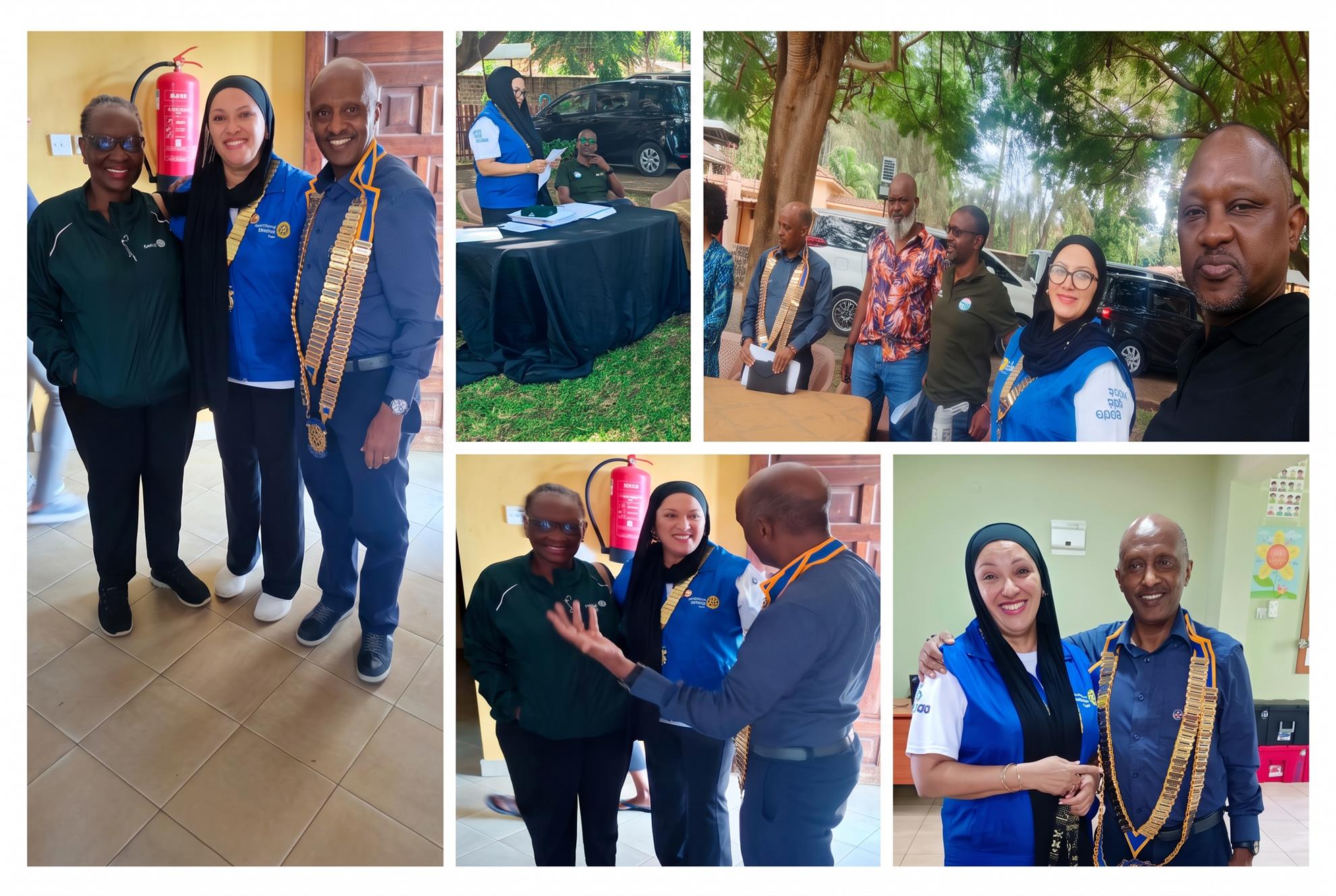
This was the gap the Rotary Club of Bahari set out to close. The club chose Mercy's Light because the need was clear and immediate, and because the people it serves are among the most vulnerable in the community. Clean, dependable water would support health, hygiene and dignity, and the centre's mission as a whole.
Digging Deep on the Coast
Finding water on the coast is harder than it sounds. The team had to find good-quality groundwater and work out the right drilling depth, all while managing the risk of salt-water intrusion. Water had to be tested for quality. Some geological formations were unstable and prone to caving. Choosing the right site, and managing the cost and logistics, added to the difficulty.
The borehole was completed all the same. The water from the new source is reported to be sweet and suitable for drinking.
Twice the Water
Water availability at the centre has roughly doubled, from about 10,000 litres to about 20,000. The system, powered in part by solar panels, now runs at approximately KES 15,000 a month. That has eased the financial burden of buying water, and the centre can put the savings toward the girls, their children and its other essential programmes.
Daily life has changed as well. Management, staff and residents report that bathing, laundry, cleaning, cooking and general hygiene have become easier to manage.
Who It Reaches
Right now the project supports 70 mothers, 162 babies and children, and 30 staff members. Because Mercy's Light cares for one group of mothers after another, the benefit continues. In the medium term, the programme expects to serve up to 300 mothers and 720 babies and children.
The borehole's reach also extends beyond the gates. It will serve the upcoming Vocational Centre, which is intended to benefit the girls, their families and the wider community. An estimated 1,282 households, including those within about two kilometres, stand to gain from the new infrastructure.
From Safety to Skills
The Vocational Centre is where the story turns from survival to opportunity. Girls will move from the maternity and residential centre into training in coconut oil production, beadwork, sewing, baking, hospitality, bakery operations and coffee shop services. The aim is for them to become self-reliant and economically independent, and for their families and neighbours to share in the benefit.
Water is what links these stages. A clean, safe home comes first, then health, then training, then work and independence.
A Project the Community Owns
Mercy's Light is deeply rooted in Vipingo, and its programmes include adult literacy and business initiatives for local women. Staff and community members helped identify the water needs, supported the project during construction, and now help manage the system day to day.
The Mercy's Light Centre Team is responsible for keeping it running. That means regular servicing of the pump, care of the pipes and storage tanks, upkeep of the solar panels, periodic water-quality testing, and prompt repairs by qualified technicians. The aim is a lasting resource rather than a short-term fix.
The Foundation
For the Rotary Club of Bahari, the project shows what targeted investment in basic infrastructure can do. By improving access to water at Mercy's Light, the club has contributed directly to the health, wellbeing, dignity and future economic opportunities of vulnerable young women, their children and the wider community.
Water is more than a resource. It is the foundation on which health, dignity, education and empowerment can grow.